Part of the United Nations Association family
A fair say and a fair share for the Global South.
Our mission
To give young people from the Global South and its diaspora the opportunity and access to shape the decisions that affect their future, from the United Nations right down to the local council.
Why we exist
Too few young people in the Global South and its diaspora get the chance to learn how decisions are made, or the access to the rooms where they’re made. And the community groups that could carry their voice often don’t last long enough to be heard.
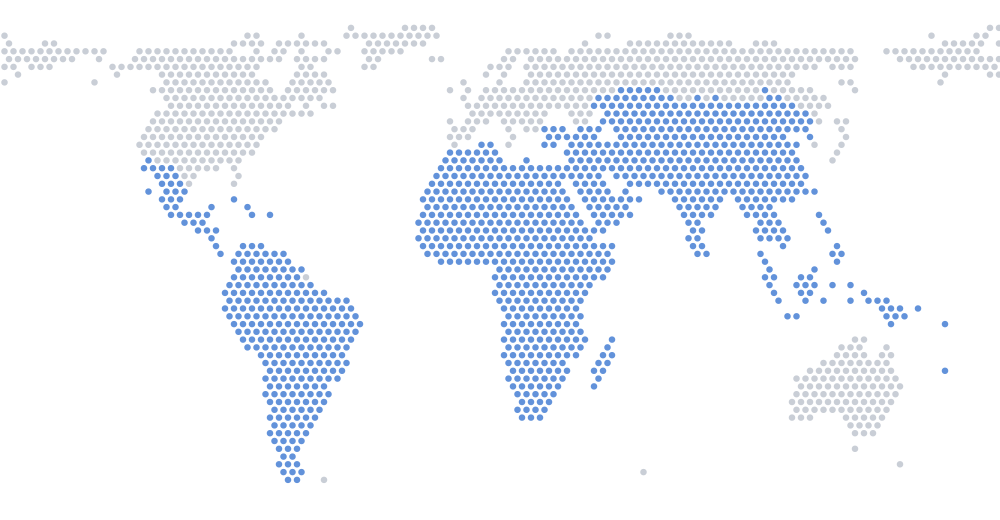
An equal-area map, so every country keeps its true size. The Global South is in blue.
What we do
Our work has two parts: preparing young people to shape the decisions that affect their future, and working with communities so their voices are heard when those decisions are made.
The Futures Programme
We teach people of Global South heritage how decisions really get made, pair each of them with a mentor, and back the ideas they start.
Listening, then speaking up
We start at grassroots level, listening to communities. Then we take what we hear to the people who make decisions, with a focus on human rights and economic justice across our six focus areas.
Our focus areas
They shape what the Futures Programme teaches, and the issues we speak up on.
Economic Justice and Ownership Rights
A fair share of aid, resources and tax, the cost of sending money home, and the right to own and inherit property.
Peace, Conflict and Displacement
Accountability, protecting civilians, and the rights of refugees, asylum seekers and migrants.
Gender Equality and Women's Empowerment
Women's rights and safety, women where decisions are made, and equality for people of every sexual orientation and gender identity.
Ethical Technology and AI
How AI is changing work and opportunity for young people in the Global South, and who gets a say in the rules.
Who we are
We’re a small, passionate team in the UK, with international partners. Between us we bring expertise in community organising, research, data and governance, and we work alongside the communities we serve.
Our founder, H.H. Princess Makonnen, has done this work for more than forty years, since she started the Ethiopian Refugee Helpline in 1980. She finds the people a community trusts, backs them with small grants, and helps them set up groups that serve their own communities.
Some of those groups grew into independent organisations. Others faded because no one was there to support them. UNA Global South makes her method formal and hands it to the next generation.
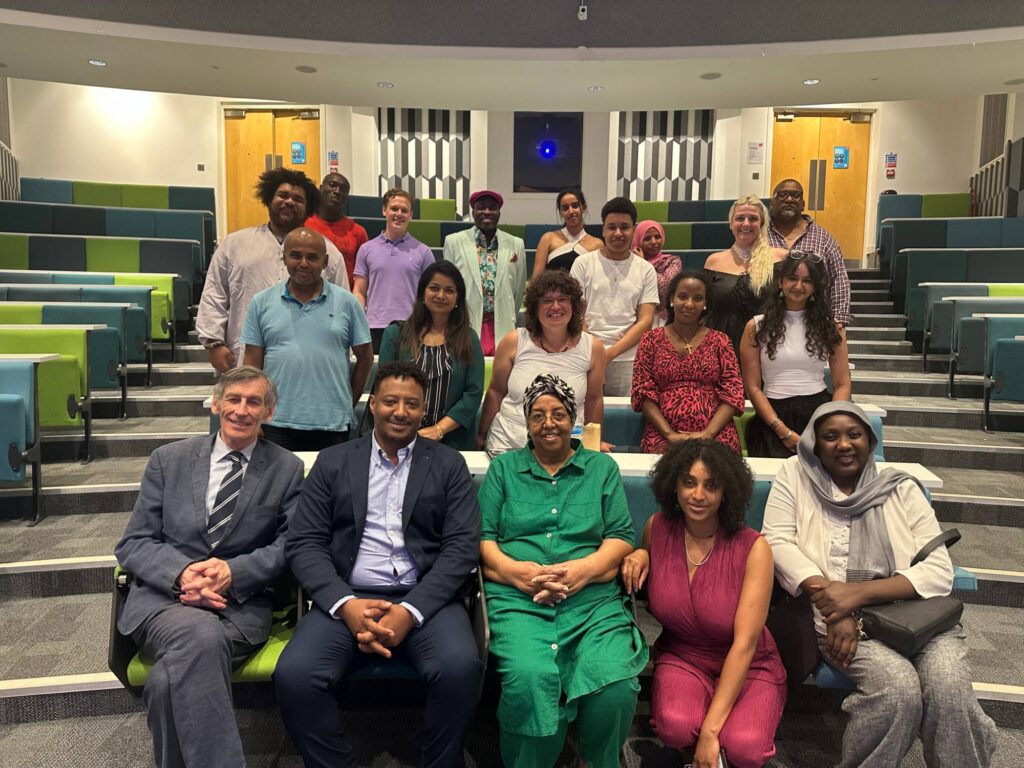


The Futures Programme
Mostly online, with a mentor for everyone. First cohort in 2027. Register your interest.
Frequently Asked Questions
Are you a charity?
Not yet. We’re a non-profit company, and we’re preparing our application to register as a charity.
What do you work on?
Six focus areas: Economic Justice and Ownership Rights; Peace, Conflict and Displacement; Gender Equality and Women’s Empowerment; Ethical Technology and AI; Environment and Sustainability; and Health Advocacy and Equality. They shape what the Futures Programme teaches and the issues we speak up on, with a focus on human rights and economic justice.
Who is the Futures Programme for?
Anyone of Global South heritage who wants a say in the decisions that shape their community. The programme runs mostly online, and the first cohort launches in 2027.
What does "Global South heritage" mean?
Family roots in Africa, Asia, Latin America, the Caribbean or the Pacific, including people born and raised in the UK.
How can I mentor or partner with you?
We’d love to hear from experienced professionals, community leaders and organisations, including universities, UNA branches and community groups. Get in touch through our contact page.