Dignity begins where access does.
Health is not a privilege to be distributed based on geography, income, gender, or immigration status. It is a basic right, one that determines whether someone lives with dignity or dies unnecessarily. Across the Global South and within refugee communities in the UK, that right is repeatedly denied. Not because care is unavailable, but because systems are built to serve some and not others. UNA Global South works to disrupt that imbalance – not with charity, but with systems of care rooted in justice.
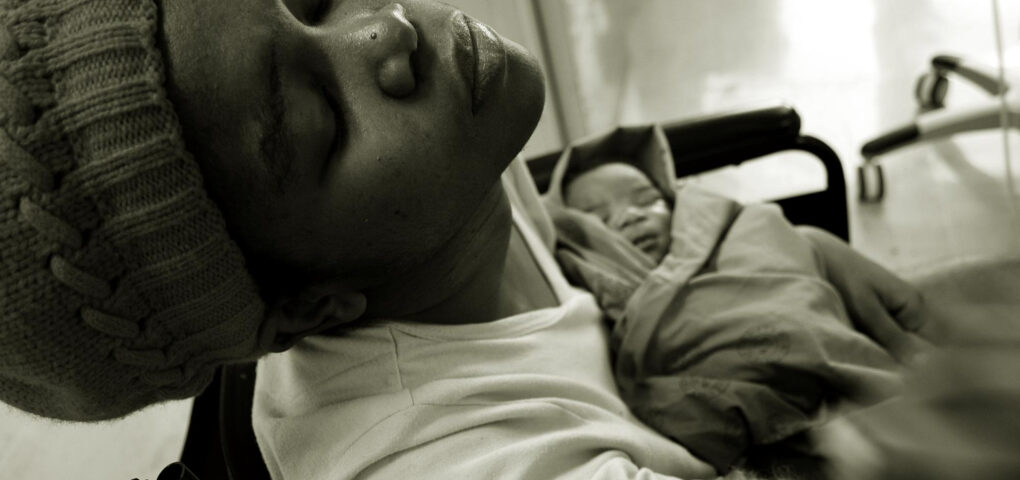
We approach health holistically. Our programs don’t isolate physical illness from mental health, reproductive rights from economic stress, or food from survival. We understand that a mother living in a hotel without a kitchen cannot feed her child properly, that a refugee without translation cannot access a GP, that a girl denied menstrual health education is not “uneducated” – she’s been excluded. Health equality means addressing the structures behind suffering, not just the symptoms.
In our work, we train refugee mothers on nutrition using local foods. We create safe spaces for dialogue about reproductive autonomy and stigma. We facilitate health literacy workshops and advocate for better public health access in underserved boroughs. These may sound small, but in reality, they challenge the global normalisation of unequal care. They restore power to the people most affected.
When health is unequal, every other right falls apart: school attendance, employment, family safety, community leadership. Health is the infrastructure of hope. That’s why our approach draws from SDG 3, SDG 10, and SDG 1 because poverty, inequality, and poor health are a cycle. And we intend to break it.