Reclaiming what is owed. Restoring what was denied.
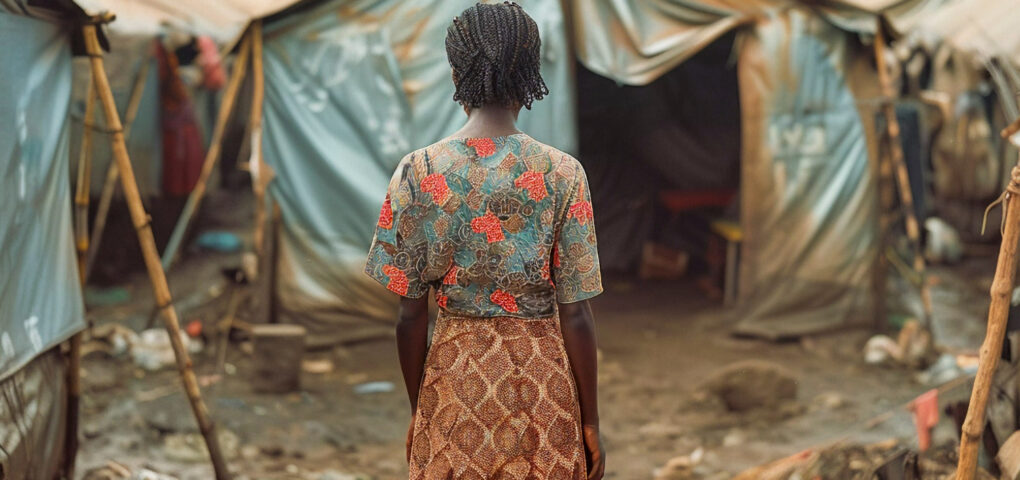
In many parts of the Global South, to be born female, landless, or displaced is to be born without legal identity. Entire generations are denied their right to inherit land, access housing, or hold a deed – not because laws don’t exist, but because power decides who they apply to. These exclusions are not accidental. They are the quiet mechanics of poverty, hunger, and disempowerment. UNA Global South works to break those mechanics.
We challenge systems that render women’s rights conditional, Indigenous claims invisible, or refugee settlements temporary. In the name of modernity, colonial and post-colonial structures have stolen not just land, but the memory of ownership. Our work supports legal literacy, community documentation, and campaigns for equitable land access particularly for women, widows, orphans, and historically marginalised families.
Property is not just about soil or space, it’s about security. It’s the ability to leave a legacy, flee an abusive home, plant a tree that’s yours. It’s the difference between a child going to school or to work. When people own nothing, they are easier to control, easier to erase. And when they inherit nothing, injustice stretches across generations. We see land as a site of both harm and healing.
By working toward inheritance justice, we are working toward economic independence, gender equality, climate stability (through land stewardship), and community resilience. Our efforts reflect SDG 5, SDG 10, and SDG 11 – not as technical goals, but as moral imperatives. We do not want charity for the landless. We want justice. And we believe it must be built from the ground up.